
De-Risking Micro Metal Manufacturing Through Structured Validation
Changing a manufacturing method introduces technical and operational risk for precision components. Structured validation allows parallel evaluation without disrupting existing production. This article explains the controlled path from evaluation to production implementation.
Manufacturing optimization is not only about cost or efficiency; it is also about improving supply chain reliability. Fragmented manufacturing workflows involving multiple suppliers introduce operational risk, including supply chain disruption, production delays, and quality variability.
Validation enables manufacturers to evaluate alternative production approaches that simplify manufacturing workflows and improve process control. Reducing process fragmentation improves production predictability and reduces operational risk. This is particularly important for high-volume or mission-critical components.
For regulated industries, manufacturing changes must comply with qualification and certification requirements. Validation provides documented evidence that alternative manufacturing processes meet required performance, dimensional, and quality standards. This supports internal qualification requirements, regulatory compliance, and customer quality requirements.
Because validation is performed using production-equivalent parts, it provides reliable data for qualification and approval processes. This enables manufacturing optimization while maintaining full regulatory compliance.
Validation enables a gradual and controlled transition from evaluation to production. The process typically includes:
- Production of validation samples
- Dimensional and functional inspection
- Performance testing
- Process capability evaluation
- Quality assurance measures for serial production, including incoming inspection and periodic sampling
Based on validation results, manufacturers can determine whether alternative manufacturing methods provide advantages in cost, scalability, or production stability. If validation confirms suitability, production implementation can proceed with confidence. This controlled approach eliminates unnecessary risk and ensures production continuity.
Not all components require a change in manufacturing method. Conventional manufacturing remains the optimal solution for many applications, particularly where production processes are already efficient and stable. Validation is most valuable for components where manufacturing complexity, production scale, or supply chain fragmentation introduce cost, risk, or scalability limitations. These may include:
- High-volume production components
- Parts requiring multiple secondary operations
- Components with tight tolerances or complex geometries
- Parts with supply chain or production stability concerns
For these applications, manufacturing optimization can provide significant benefits. Validation enables manufacturers to identify these opportunities objectively.
Manufacturing optimization requires balancing innovation with risk management. Structured validation enables manufacturers to evaluate alternative production methods while maintaining full control over product quality, performance, and compliance.
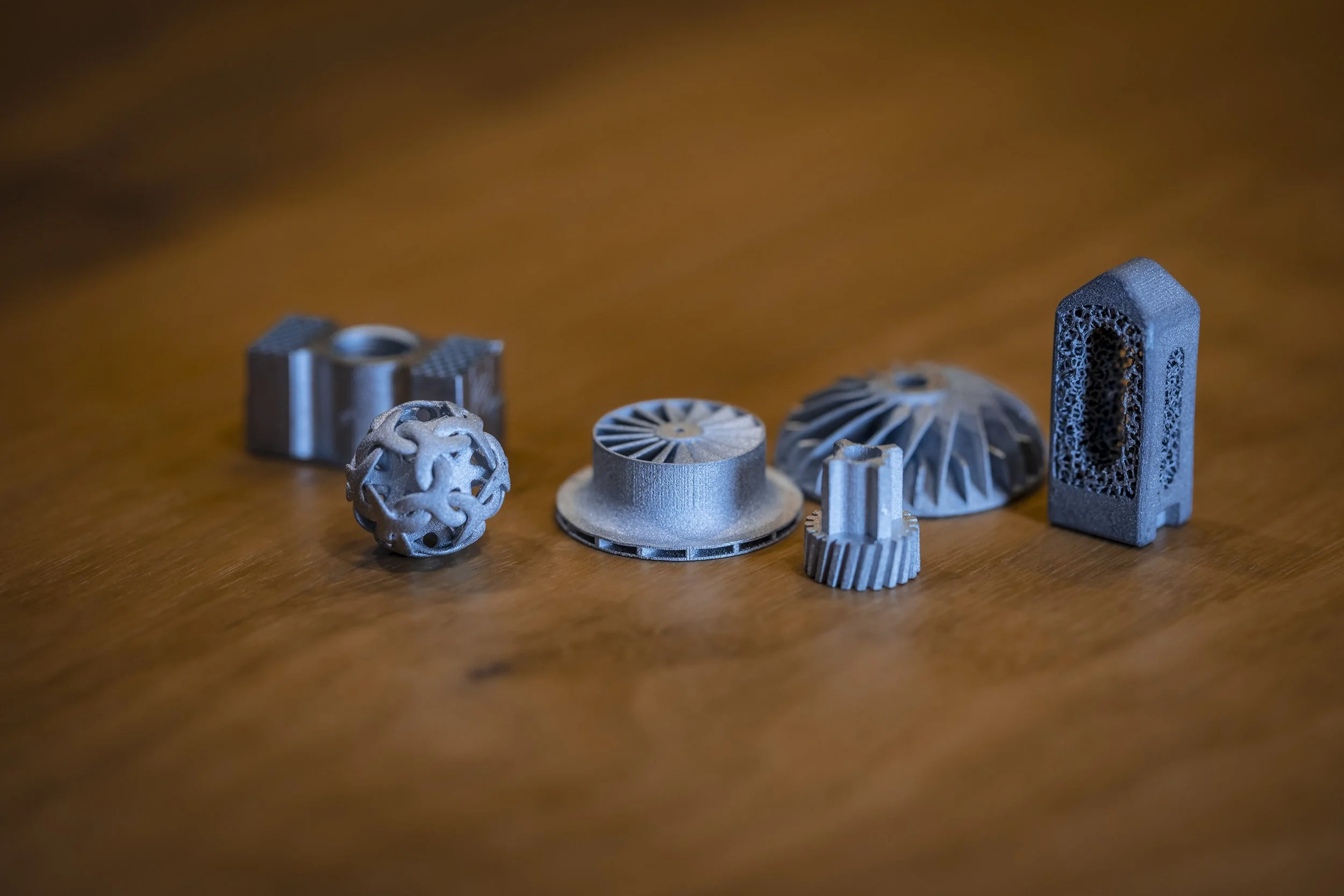
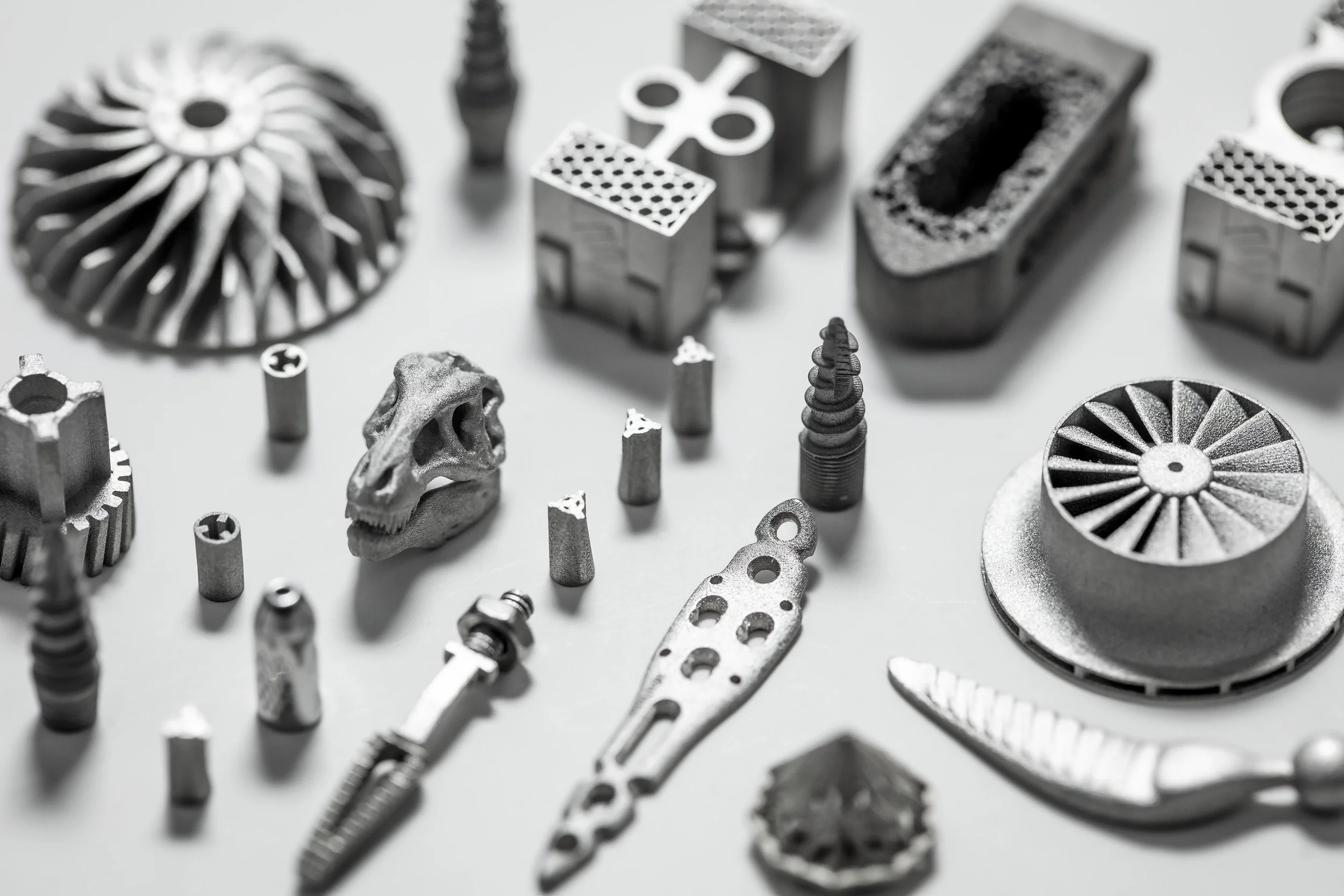
Lithography-based metal manufacturing provides a digitally controlled production process capable of producing complex micro metal parts with high dimensional accuracy and repeatability.
Through structured validation, manufacturers can evaluate whether manufacturing simplification improves cost efficiency, production stability, and scalability. This enables data-driven manufacturing decisions while minimizing technical and operational risk. Manufacturing validation is not a disruption to production, it is a controlled and reliable path to improving manufacturing performance.
Get a Free Part Evaluation
Request your sample part and evaluate LMM for your application.
Request a sample partDe-Risking Manufacturing for Complex Micro Metal Components Through Structured Validation
Changing the manufacturing method of an existing component is a critical decision. For high-precision micro metal parts, manufacturing processes are often tightly integrated into product performance, regulatory compliance, and supply chain stability. Any change introduces potential risk that must be carefully evaluated and controlled.
At the same time, manufacturing optimization can provide significant benefits, including improved dimensional consistency, reduced production complexity, and lower cost per part. The key to realizing these benefits is a structured validation approach that allows manufacturers to evaluate alternative production methods while maintaining full control over product performance and quality.
3D printing, in particular sinter-based metal additive manufacturing technologies such as Lithography-based Metal Manufacturing (LMM), can be systematically evaluated through a controlled validation process, enabling manufacturers to assess its suitability without interrupting existing production operations.
Complex 3D-printed micro metal parts featuring fine geometries and integrated functionalities.
Manufacturing Changes Introduce Technical and Operational Risk
Manufacturing processes directly affect critical part characteristics, including dimensional accuracy, surface quality, and material properties. Even when part geometry remains unchanged, differences in manufacturing methods can influence part performance.
Potential risks associated with manufacturing changes include:
Dimensional variation affecting functional performance
Surface condition differences affecting interfaces or wear characteristics
Material property variation
Process stability and repeatability concerns
Qualification and regulatory approval requirements
For components used in regulated industries such as medical technology, dental applications, or aerospace, these risks must be carefully controlled and documented.
As a result, manufacturers require a structured and predictable approach to evaluating alternative manufacturing methods.
Validation Enables Objective Evaluation Without Production Disruption
Manufacturing validation provides a controlled framework for evaluating alternative production methods without interrupting existing production workflows. Rather than immediately replacing conventional manufacturing, validation allows both manufacturing approaches to be evaluated in parallel and compared for critical functional features and properties.
This parallel validation approach ensures that manufacturing decisions are based on objective, measurable data rather than assumptions. If the alternative process meets or exceeds performance requirements, manufacturers can proceed with confidence. If not, existing production remains unaffected. Validation eliminates uncertainty and enables informed decision-making.
Dimensional Validation Confirms Geometric Accuracy and Consistency
Dimensional accuracy is one of the most critical factors in micro metal components. Even small geometric deviations can affect functional performance. Validation includes detailed dimensional inspection to verify that critical features meet design requirements.
Lithography-based metal manufacturing enables precise dimensional control with tolerances of up to ±0.5%, delivering repeatable geometric accuracy aligned with ISO 2768-1 class f where applicable.
Dimensional validation confirms that critical features such as micro-holes, threads, and functional interfaces meet required specifications. This ensures compatibility with existing assemblies and functional requirements.
Process Stability and Repeatability Are Critical for Production Reliability
Beyond individual part accuracy, manufacturing processes must demonstrate consistent performance across production batches. Process stability affects:
Production yield
Dimensional consistency
Long-term production reliability
Manufacturing processes that rely on multiple independent steps introduce more opportunities for variation. Each process step, setup, or supplier transition can affect dimensional outcomes. Consolidating geometry creation into a single digitally controlled process improves repeatability and reduces variability. Validation confirms that dimensional performance and process stability can be maintained across production volumes. This is essential for reliable serial production.
Validation Supports Supply Chain Risk Reduction
Manufacturing optimization is not only about cost or efficiency; it is also about improving supply chain reliability. Fragmented manufacturing workflows involving multiple suppliers introduce operational risk, including:
Supply chain disruption
Production delays
Quality variability
Validation enables manufacturers to evaluate alternative production approaches that simplify manufacturing workflows and improve process control. Reducing process fragmentation improves production predictability and reduces operational risk. This is particularly important for high-volume or mission-critical components.
Supporting Regulatory and Qualification Requirements
For regulated industries, manufacturing changes must comply with qualification and certification requirements. Validation provides documented evidence that alternative manufacturing processes meet required performance, dimensional, and quality standards. This supports:
Internal qualification requirements
Regulatory compliance
Customer quality requirements
Because validation is performed using production-equivalent parts, it provides reliable data for qualification and approval processes. This enables manufacturing optimization while maintaining full regulatory compliance.
A Controlled Path from Evaluation to Production Implementation
Validation enables a gradual and controlled transition from evaluation to production. The process typically includes:
Production of validation samples
Dimensional and functional inspection
Performance testing
Process capability evaluation
Based on validation results, manufacturers can determine whether alternative manufacturing methods provide advantages in cost, scalability, or production stability. If validation confirms suitability, production implementation can proceed with confidence. This controlled approach eliminates unnecessary risk and ensures production continuity.
Identifying Applications Where Manufacturing Optimization Provides Value
Not all components require a change in manufacturing method. Conventional manufacturing remains the optimal solution for many applications, particularly where production processes are already efficient and stable. Validation is most valuable for components where manufacturing complexity, production scale, or supply chain fragmentation introduce cost, risk, or scalability limitations. These may include:
High-volume production components
Parts requiring multiple secondary operations
Components with tight tolerances or complex geometries
Parts with supply chain or production stability concerns
For these applications, manufacturing optimization can provide significant benefits. Validation enables manufacturers to identify these opportunities objectively.
Enabling Manufacturing Optimization While Maintaining Full Control
Manufacturing optimization requires balancing innovation with risk management. Structured validation enables manufacturers to evaluate alternative production methods while maintaining full control over product quality, performance, and compliance.
Lithography-based metal manufacturing provides a digitally controlled production process capable of producing complex micro metal parts with high dimensional accuracy and repeatability.
Through structured validation, manufacturers can evaluate whether manufacturing simplification improves cost efficiency, production stability, and scalability. This enables data-driven manufacturing decisions while minimizing technical and operational risk. Manufacturing validation is not a disruption to production, it is a controlled and reliable path to improving manufacturing performance.
