
Reducing Cost per Part for Complex Micro Metal Components
Cost per part in micro metal production is driven by the entire manufacturing system. Secondary operations, assembly complexity, and yield loss accumulate across the production chain. Consolidating process steps through additive manufacturing reduces these systemic cost drivers.
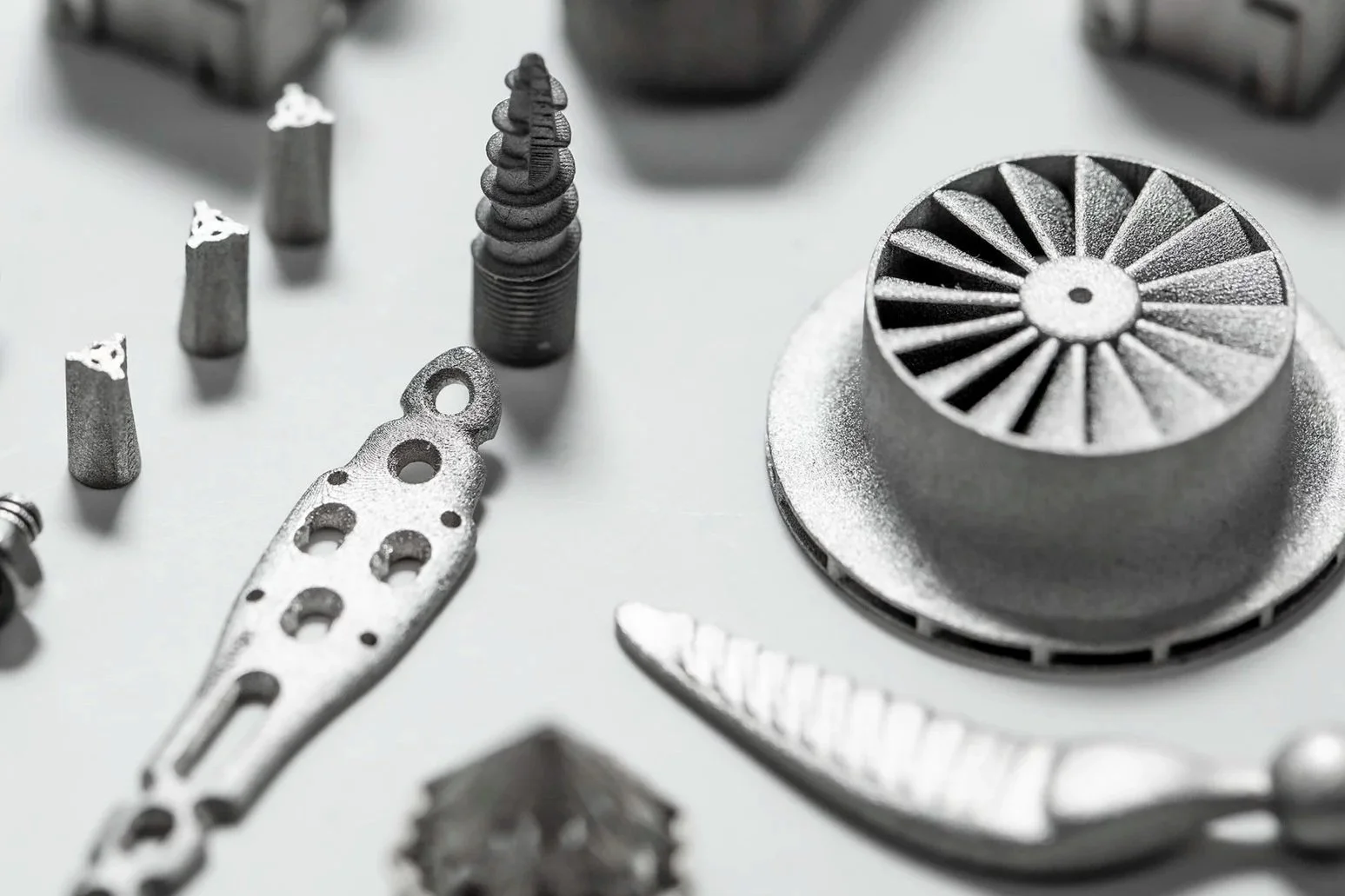
Reducing cost per part is a primary objective in the production of micro metal components, particularly as production volumes increase. While piece price is often used as a primary reference, the effective cost of manufacturing complex micro metal parts and implementing them in the final product is influenced by the entire production system.
Manufacturing structure, process fragmentation, yield performance, quality control and operational stability all contribute to total cost. As geometries become more complex and tolerances tighter, conventional manufacturing frequently requires multiple sequential process steps. Each step introduces additional cost drivers that extend beyond the primary forming or machining operation.
In many applications, cost drivers are not limited to the manufacturing of a single component. Complex products frequently consist of multiple micro parts that must be produced separately and later assembled into functional build groups or subassemblies. Each additional component introduces additional production steps, alignment requirements, joining operations, and quality control activities.
Manufacturing optimization therefore requires a systemic perspective. The objective is not only to reduce the cost of individual operations, but to improve the economic performance of the overall production workflow, including both component manufacturing and assembly structure.
The cost of producing complex micro metal parts extends beyond the primary machining or forming process. Secondary operations, inspection effort, part handling, and supply chain coordination significantly influence total cost per part. Typical cost contributors include:
- Machine setup and changeover time
- Specialized tooling and fixtures
- Surface finishing and post-processing
- Inspection and quality control
- Yield loss and rejected parts
- Supplier coordination and logistics
- Assembly operations for multi-part build groups
Each additional process step introduces direct cost through machine and labor time, as well as indirect cost through increased coordination and quality control requirements. When assemblies consist of multiple separately produced components, these costs increase further due to additional alignment, fastening, bonding, or welding operations. While individual steps may be optimized independently, the cumulative effect of multiple sequential operations can significantly increase total cost per acceptable component or assembly.
In many micro-mechanical products, the functional part is not a single component, but a build group consisting of multiple micro parts. These assemblies often require tight tolerances, precise alignment, and reliable joining processes. However, novel manufacturing methods can provide increased design freedom and enable functional integration, potentially reducing the number of individual components and the complexity of assembly. Traditional manufacturing approaches typically require:
- Manufacturing each component separately
- Handling and transporting individual parts between production steps
- Performing alignment and joining operations such as welding, brazing, or fastening
- Conducting additional inspection and functional testing
Each additional component introduces new sources of cost, variability, and production risk. Assembly operations also introduce opportunities for misalignment or joining defects, which can reduce yield and increase rejection rates. As a result, assembly complexity often becomes one of the largest contributors to total production cost in complex micro metal products.
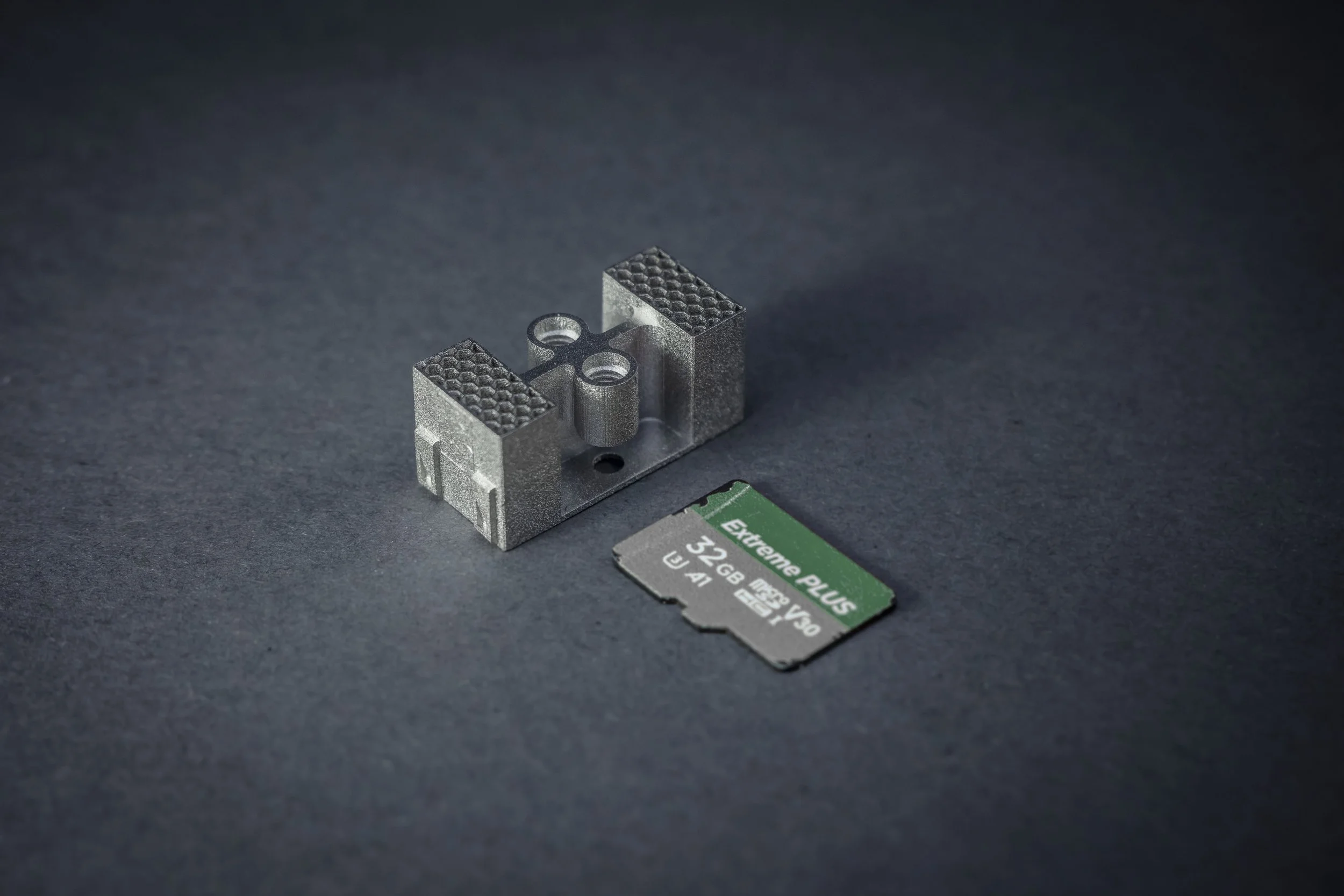
Secondary operations are often necessary in the production of complex micro metal parts. However, each additional operation increases machine utilization, labor involvement, and cycle time. Processes such as micro drilling, laser machining, and finishing introduce additional setup effort and handling. They also increase dimensional sensitivity due to repeated clamping and repositioning. This affects cost in two ways: First, direct production time increases. Second, the probability of dimensional variation and rejection increases.
Production yield has a direct relationship to cost efficiency. When parts fall outside tolerance or fail to meet functional requirements, material, machine time, and labor are consumed without generating acceptable output. Yield loss may result from:
- Dimensional variation across process steps
- Alignment deviation between operations
- Handling-related damage
- Process instability across the manufacturing chain
- Assembly misalignment or joining defects
- Tool wear
Reduced yield also lowers effective production output, requiring additional production time to meet volume targets. For this reason, stable and repeatable processes are not only quality objectives, but fundamental drivers of cost efficiency.
Manufacturing workflows distributed across multiple suppliers or process steps introduce additional coordination and overhead. These include:
- Supplier management
- Transportation between production stages
- Administrative effort
- Extended and less predictable lead times
- Assembly coordination between suppliers
Each transition between processes requires scheduling, handling, and inspection. These activities increase the total effort required to produce each acceptable part or assembly. Reducing fragmentation improves transparency, coordination efficiency, and overall cost stability.
As production volumes increase, manufacturing structure becomes a determining factor in cost performance. Scaling fragmented production systems requires expanding capacity across multiple process stages. Each additional machine, operator, supplier, or assembly step adds operational complexity and cost. In such systems, the expected efficiency gains from higher volume are often offset by increased coordination effort and variability.
Manufacturing approaches that consolidate process steps into a more unified workflow enable more stable scaling. By reducing interfaces and improving yield consistency, cost per part becomes more predictable as volume increases. Manufacturing simplification therefore improves not only operational efficiency, but also cost behavior under scaled production conditions.
As micro metal components become more complex and production volumes increase, cost performance is increasingly determined by the structure of the manufacturing system rather than by individual process efficiency alone.
Secondary operations, fragmented supply chains, yield loss, manual handling, and multi-component assemblies all introduce additional layers of cost and variability. In conventional manufacturing environments, these factors accumulate across the production chain, often limiting the economic benefits expected from scaling production.
Manufacturing strategies that simplify production workflows and reduce the number of individual components within a product architecture provide a more effective path to improving cost performance. By consolidating functions and reducing assembly requirements, manufacturers can decrease process steps, minimize handling, and improve overall production stability.
Additive manufacturing further expands these opportunities by enabling greater design freedom. Increased geometric complexity can often be realized without a proportional increase in manufacturing cost, allowing multiple components and functions to be integrated into a single high-precision structure.
Reducing cost per part is therefore not solely achieved by optimizing individual manufacturing operations. It is increasingly realized through a holistic approach that simplifies both component design and assembly architecture, creating production systems that are more stable, scalable, and economically efficient.
Get a Free Part Evaluation
Request your sample part and evaluate LMM for your application.
Request a sample partThe Hidden Cost Drivers in Complex Micro Metal Production
Reducing cost per part is a primary objective in the production of micro metal components, particularly as production volumes increase. While piece price is often used as a primary reference, the effective cost of manufacturing complex micro metal parts and implementing them in the final product is influenced by the entire production system.
Manufacturing structure, process fragmentation, yield performance, quality control and operational stability all contribute to total cost. As geometries become more complex and tolerances tighter, conventional manufacturing frequently requires multiple sequential process steps. Each step introduces additional cost drivers that extend beyond the primary forming or machining operation.
In many applications, cost drivers are not limited to the manufacturing of a single component. Complex products frequently consist of multiple micro parts that must be produced separately and later assembled into functional build groups or subassemblies. Each additional component introduces additional production steps, alignment requirements, joining operations, and quality control activities.
Manufacturing optimization therefore requires a systemic perspective. The objective is not only to reduce the cost of individual operations, but to improve the economic performance of the overall production workflow, including both component manufacturing and assembly structure.
The Cost Structure of Complex Micro Metal Production
The cost of producing complex micro metal parts extends beyond the primary machining or forming process. Secondary operations, inspection effort, part handling, and supply chain coordination significantly influence total cost per part. Typical cost contributors include:
Machine setup and changeover time
Specialized tooling and fixtures
Surface finishing and post-processing
Inspection and quality control
Yield loss and rejected parts
Supplier coordination and logistics
Assembly operations for multi-part build groups
Each additional process step introduces direct cost through machine and labor time, as well as indirect cost through increased coordination and quality control requirements. When assemblies consist of multiple separately produced components, these costs increase further due to additional alignment, fastening, bonding, or welding operations. While individual steps may be optimized independently, the cumulative effect of multiple sequential operations can significantly increase total cost per acceptable component or assembly.
Assembly Complexity as a Major Cost Driver
In many micro-mechanical products, the functional part is not a single component, but a build group consisting of multiple micro parts. These assemblies often require tight tolerances, precise alignment, and reliable joining processes. However, novel manufacturing methods can provide increased design freedom and enable functional integration, potentially reducing the number of individual components and the complexity of assembly. Traditional manufacturing approaches typically require:
Manufacturing each component separately
Handling and transporting individual parts between production steps
Performing alignment and joining operations such as welding, brazing, or fastening
Conducting additional inspection and functional testing
Each additional component introduces new sources of cost, variability, and production risk. Assembly operations also introduce opportunities for misalignment or joining defects, which can reduce yield and increase rejection rates. As a result, assembly complexity often becomes one of the largest contributors to total production cost in complex micro metal products.
Secondary Operations and Their Systemic Cost Impact
Secondary operations are often necessary in the production of complex micro metal parts. However, each additional operation increases machine utilization, labor involvement, and cycle time. Processes such as micro drilling, laser machining, and finishing introduce additional setup effort and handling. They also increase dimensional sensitivity due to repeated clamping and repositioning. This affects cost in two ways: First, direct production time increases. Second, the probability of dimensional variation and rejection increases.
Yield Performance as a Cost Lever
Production yield has a direct relationship to cost efficiency. When parts fall outside tolerance or fail to meet functional requirements, material, machine time, and labor are consumed without generating acceptable output. Yield loss may result from:
Dimensional variation across process steps
Alignment deviation between operations
Handling-related damage
Process instability across the manufacturing chain
Assembly misalignment or joining defects
Tool wear
Reduced yield also lowers effective production output, requiring additional production time to meet volume targets. For this reason, stable and repeatable processes are not only quality objectives, but fundamental drivers of cost efficiency.
Fragmentation and Overhead in Distributed Manufacturing
Manufacturing workflows distributed across multiple suppliers or process steps introduce additional coordination and overhead. These include:
Supplier management
Transportation between production stages
Administrative effort
Extended and less predictable lead times
Assembly coordination between suppliers
Each transition between processes requires scheduling, handling, and inspection. These activities increase the total effort required to produce each acceptable part or assembly. Reducing fragmentation improves transparency, coordination efficiency, and overall cost stability.
Manufacturing Structure and Cost Behavior at Scale
As production volumes increase, manufacturing structure becomes a determining factor in cost performance. Scaling fragmented production systems requires expanding capacity across multiple process stages. Each additional machine, operator, supplier, or assembly step adds operational complexity and cost. In such systems, the expected efficiency gains from higher volume are often offset by increased coordination effort and variability.
Manufacturing approaches that consolidate process steps into a more unified workflow enable more stable scaling. By reducing interfaces and improving yield consistency, cost per part becomes more predictable as volume increases. Manufacturing simplification therefore improves not only operational efficiency, but also cost behavior under scaled production conditions.
AM Impact: Leveraging Design Freedom to Reduce System Cost
Additive manufacturing introduces a fundamental shift in how complex micro metal components can be designed and produced. Unlike conventional manufacturing methods, where increasing geometric complexity typically leads to additional machining steps, tooling requirements, and higher cost, additive manufacturing allows complexity to be incorporated with minimal impact on the manufacturing process itself.
This design freedom enables engineers to rethink both component architecture and assembly structure. Features such as internal channels, fine lattice structures, complex surface geometries, and integrated functional elements can be produced directly within a single manufacturing process. As a result, many geometries that would normally require multiple sequential machining or forming operations can be realized in a single production step.
One of the most significant economic advantages of additive manufacturing arises from the ability to consolidate multiple components into a single printed structure. In conventional manufacturing, complex functional units often consist of several separately produced micro components that must later be assembled. Each individual component introduces additional manufacturing steps, handling effort, and inspection requirements.
Through additive manufacturing, these multi-part assemblies can frequently be redesigned as a single integrated component. By combining several functional elements into one structure, manufacturers can eliminate or significantly reduce the need for:
Separate production of individual components
Alignment and joining operations
Assembly labor and tooling
Assembly-related yield loss
Coordination across multiple suppliers or production steps
This consolidation reduces the number of interfaces within the product architecture and simplifies the overall production workflow. Fewer components and fewer assembly steps lead to lower variability, improved dimensional consistency, and more stable production yield.
Importantly, additive manufacturing enables this increase in functional complexity without proportionally increasing manufacturing cost. Because the process builds parts layer by layer within a digital workflow, complexity is primarily a design consideration rather than a manufacturing limitation.
For suitable micro-mechanical applications, this capability allows manufacturers to move beyond incremental process optimization and instead redesign components and assemblies to achieve structural cost reductions across the entire production system. By integrating multiple functions into a single high-precision metal part, additive manufacturing can significantly improve cost efficiency, reliability, and scalability in complex micro metal production.
Conclusion: Cost Efficiency Through Manufacturing and Assembly Simplification
As micro metal components become more complex and production volumes increase, cost performance is increasingly determined by the structure of the manufacturing system rather than by individual process efficiency alone.
Secondary operations, fragmented supply chains, yield loss, manual handling, and multi-component assemblies all introduce additional layers of cost and variability. In conventional manufacturing environments, these factors accumulate across the production chain, often limiting the economic benefits expected from scaling production.
Manufacturing strategies that simplify production workflows and reduce the number of individual components within a product architecture provide a more effective path to improving cost performance. By consolidating functions and reducing assembly requirements, manufacturers can decrease process steps, minimize handling, and improve overall production stability.
Additive manufacturing further expands these opportunities by enabling greater design freedom. Increased geometric complexity can often be realized without a proportional increase in manufacturing cost, allowing multiple components and functions to be integrated into a single high-precision structure.
Reducing cost per part is therefore not solely achieved by optimizing individual manufacturing operations. It is increasingly realized through a holistic approach that simplifies both component design and assembly architecture, creating production systems that are more stable, scalable, and economically efficient.
