
-

Introduction to Lithography-based metal manufacturing (LMM)
Learn how Lithography-based Metal Manufacturing (LMM) combines high-resolution 3D printing with scalable powder metallurgy to enable complex, high-accuracy metal parts.
-
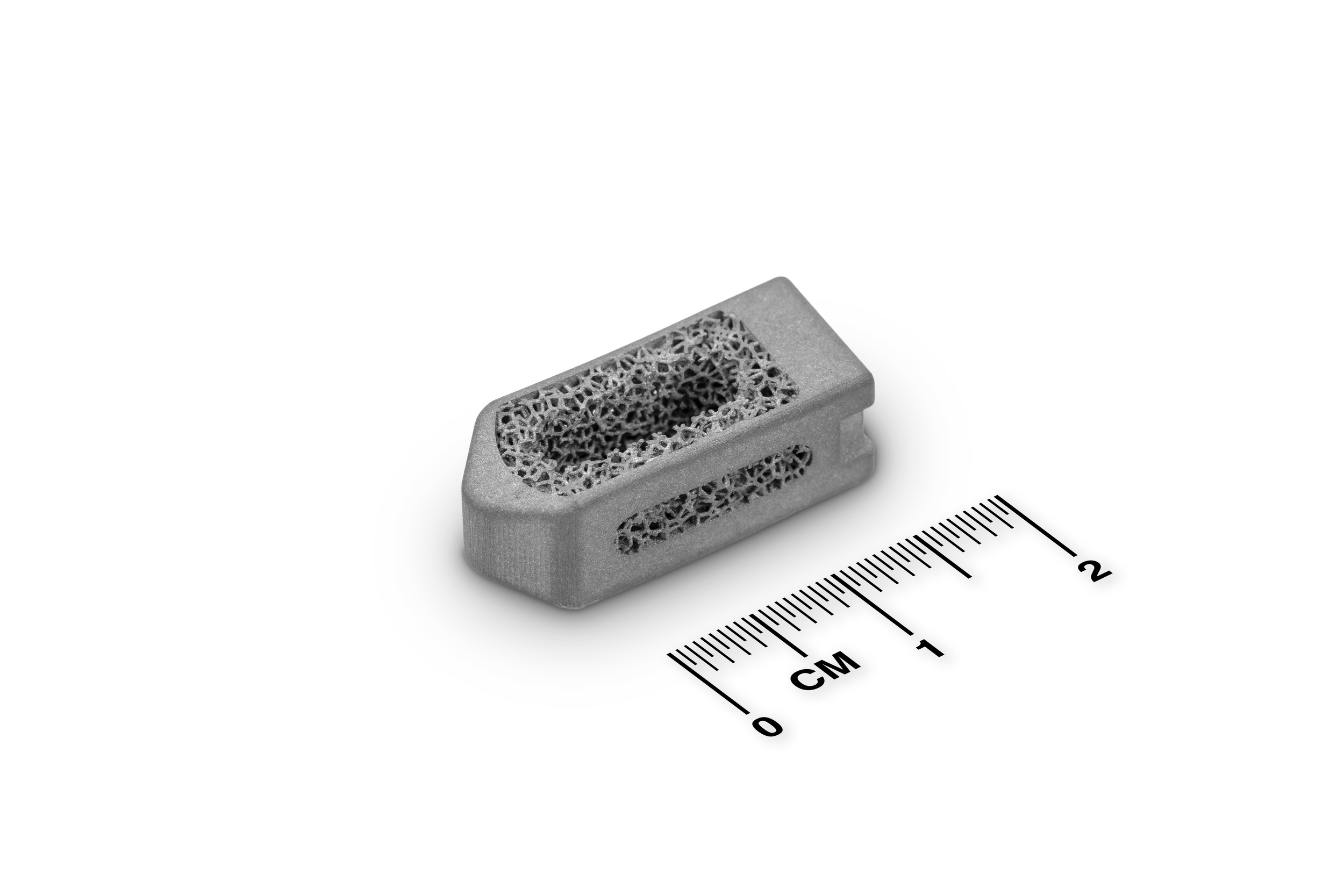
Titanium Grade 5 & Lithography-based Metal Manufacturing (LMM)
Learn how Titanium Grade 5 and Lithography-based Metal Manufacturing (LMM) enable 3D printing of strong, lightweight titanium parts for advanced applications.
-
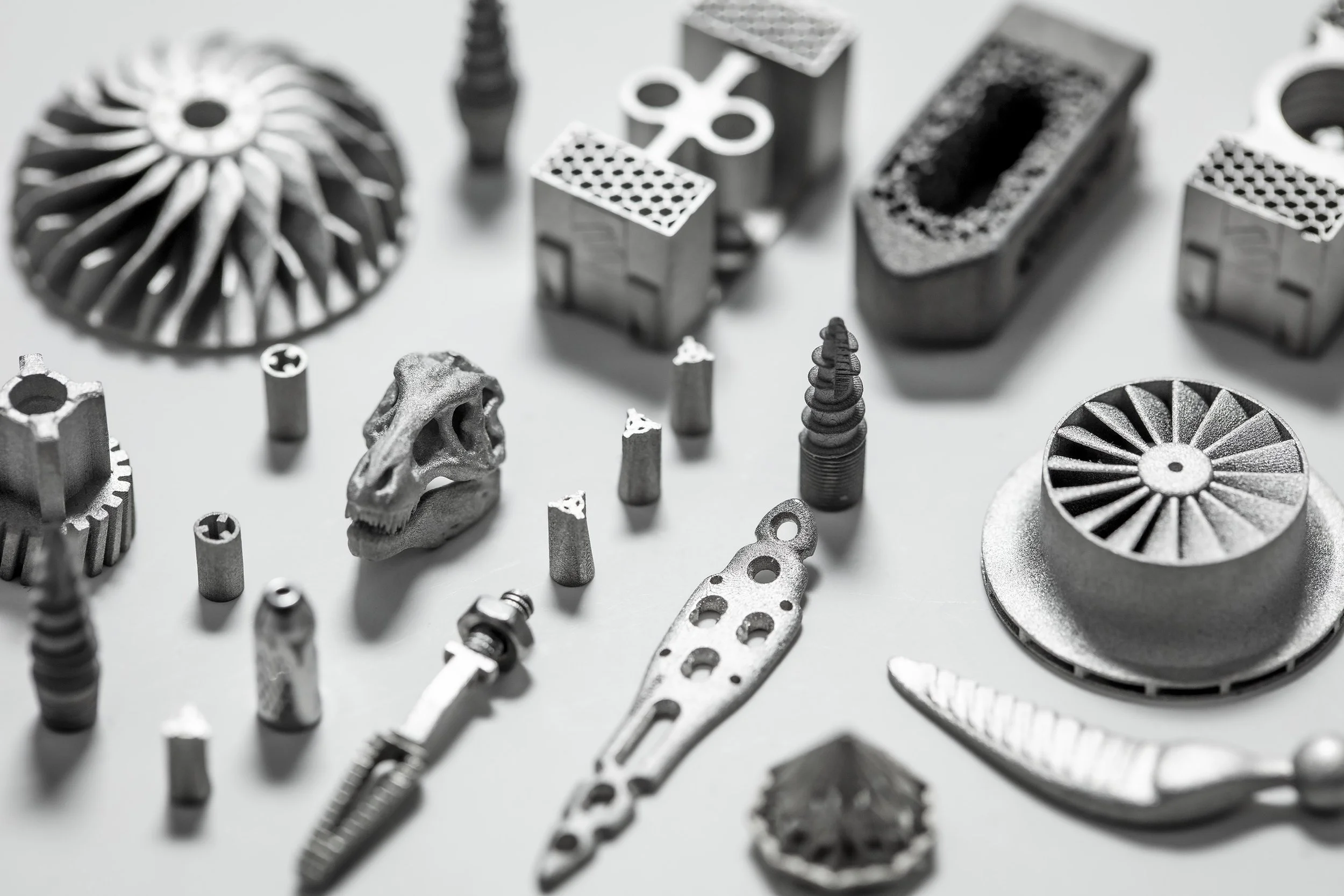
From Complexity to Control: Scalable Micro Metal Production
Learn how metal 3D printing reduces production complexity in micro metal components by consolidating process steps and improving efficiency.
Explore all articles, guide and more
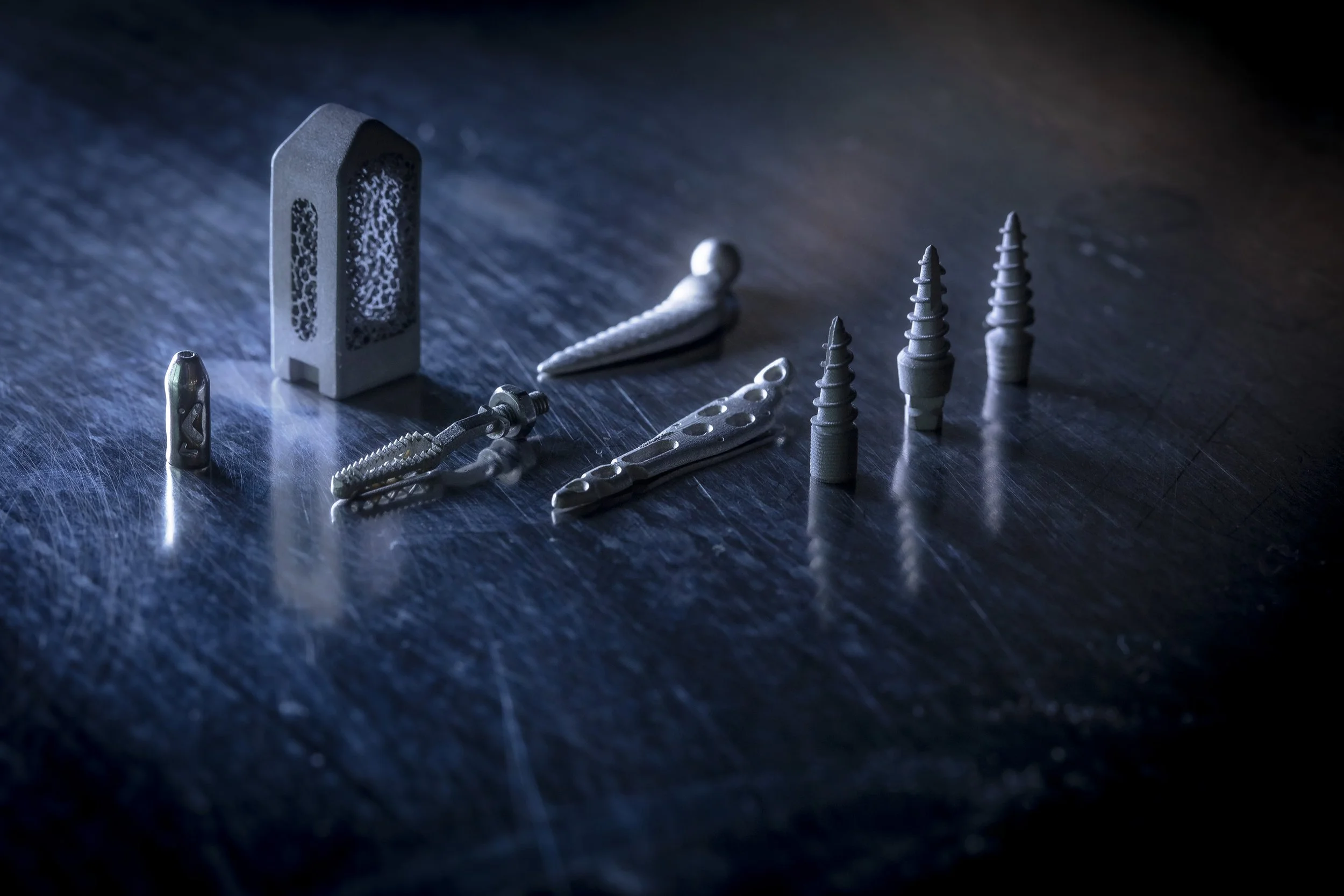
Nitinol in Micro metal 3D printing using LMM
Nitinol has powered decades of innovation in medical devices, but its design potential has long been constrained by traditional manufacturing methods like wire drawing and laser-cut tubing. While these processes reliably preserve the alloy’s tightly controlled chemistry, they also limit device geometry to linear or cylindrical forms. Emerging approaches such as sinter-based additive manufacturing—particularly Lithography-based Metal Manufacturing—are expanding what’s possible without altering the underlying material science. By avoiding melt-related composition shifts and enabling complex, three-dimensional structures, additive techniques open new pathways for vascular, orthopaedic, and patient-specific applications. As development continues, engineers can now explore Nitinol designs driven by clinical need rather than manufacturing constraints, redefining the boundaries of shape memory alloys in modern medicine.
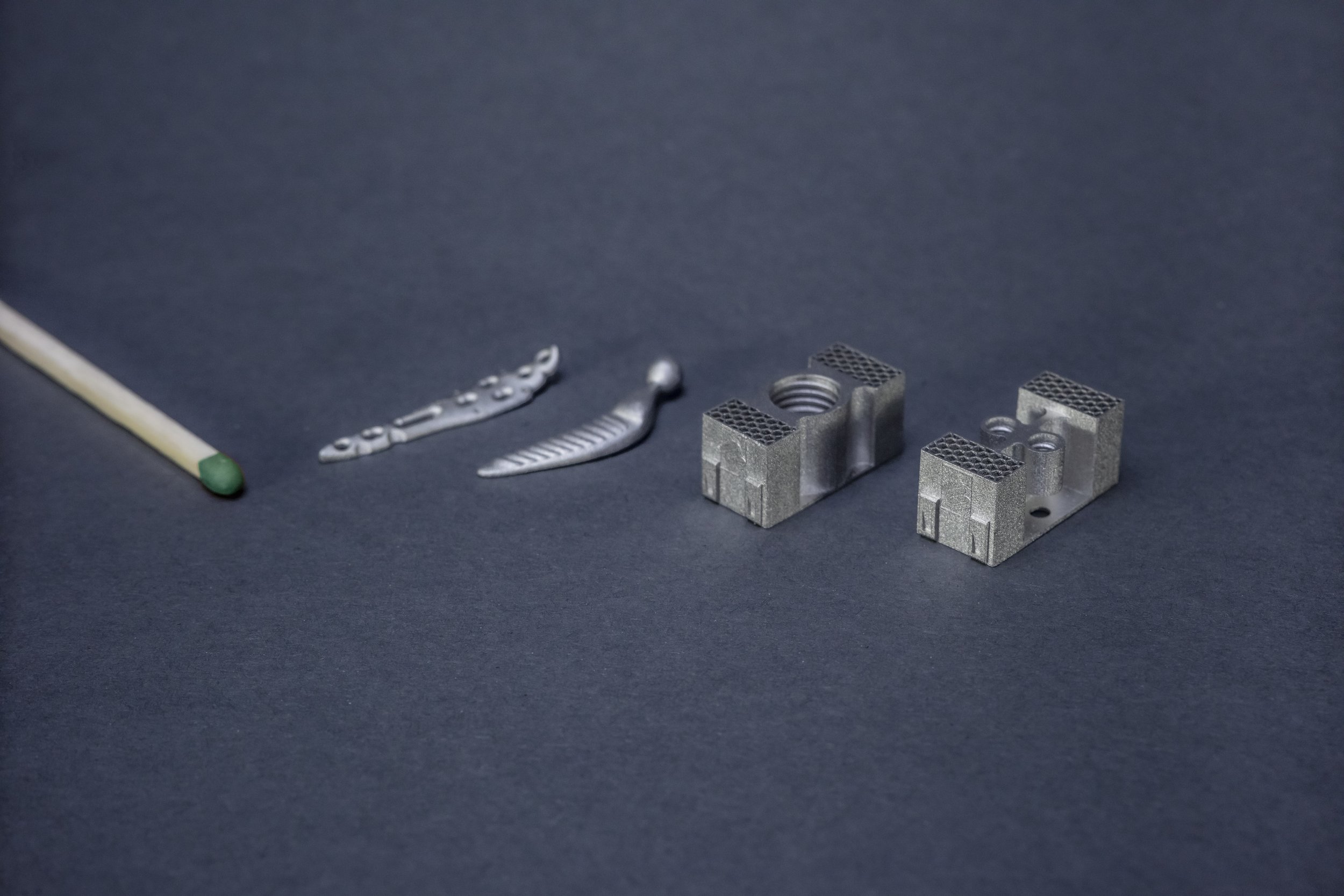
Manufacturing Challenges in Micro Metal Production
Manufacturing challenges in micro metal production are increasingly shaping not just how parts are made, but how they must be designed and integrated. As demand grows for high-precision, complex micro components, conventional manufacturing methods face limitations that lead to design compromises, multi-step production chains, and increased assembly requirements. These constraints introduce variability, extend lead times, and elevate production risk across the entire system.
Metal 3D printing offers a transformative alternative by enabling process consolidation, reducing assembly dependencies, and unlocking new levels of design freedom. By minimizing process steps and integrating complex geometries into single structures, additive manufacturing helps engineers overcome the traditional trade-offs between functionality and manufacturability.
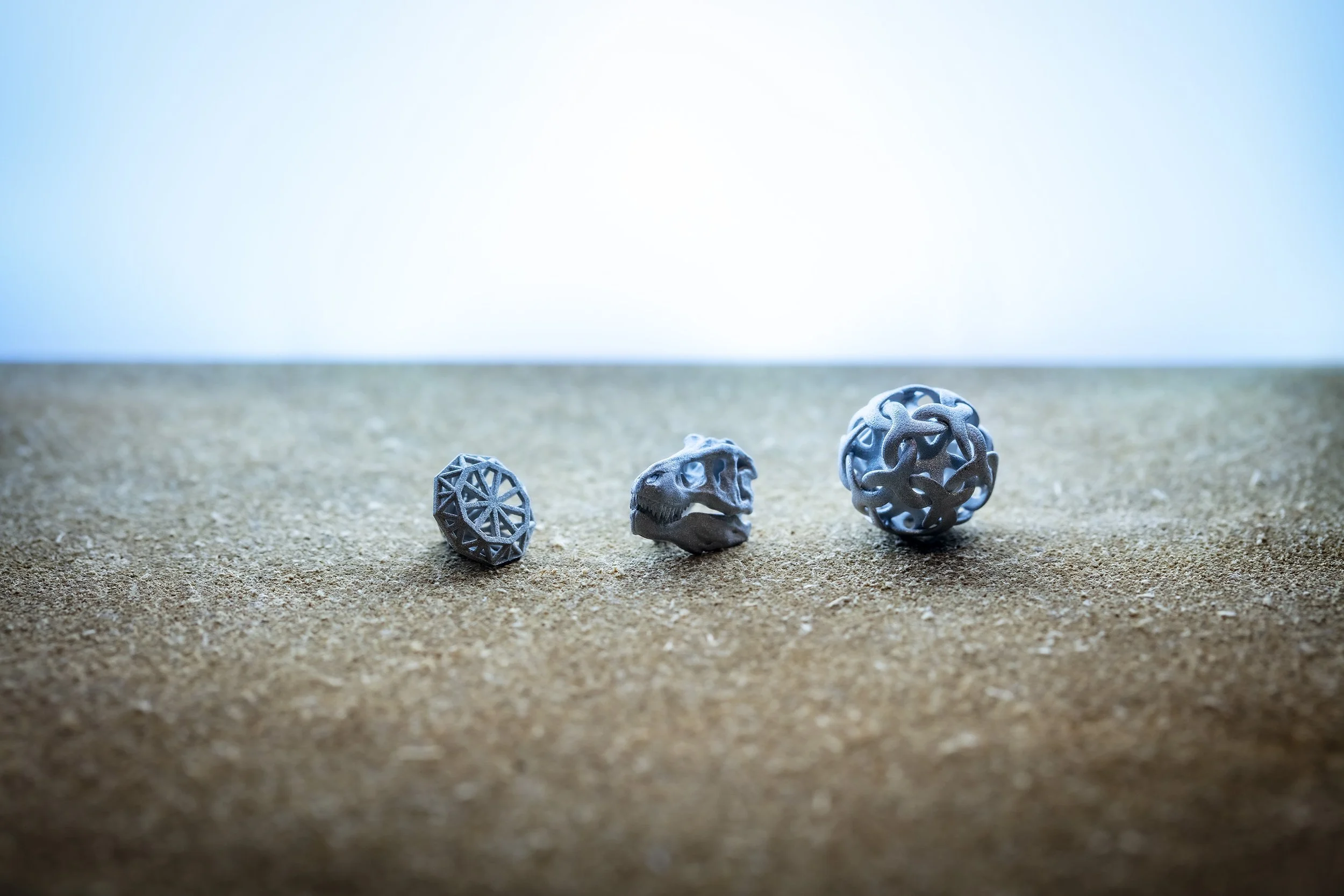
Product Design Challenges in Micro Metal Components
Designing micro metal components has long been a balancing act between functional performance and manufacturing feasibility. In industries where precision and miniaturization are critical, traditional production methods often impose strict limitations on geometry, feature resolution, and part complexity. As a result, engineers frequently adapt designs to suit manufacturing constraints, simplifying features, splitting components into multiple parts, or eliminating functional elements altogether.
Metal additive manufacturing, particularly lithography-based metal manufacturing (LMM), is changing this paradigm. By enabling the production of highly complex geometries without the need for tool access or dedicated molds, it allows designers to prioritize function over manufacturability. Internal channels, micro-scale features, and integrated structures can now be produced directly in a single process, reducing the need for secondary operations and assembly.
This shift marks a transition from design-for-manufacturing to design-for-function, unlocking new possibilities in performance, integration, and product architecture for next-generation micro metal components.
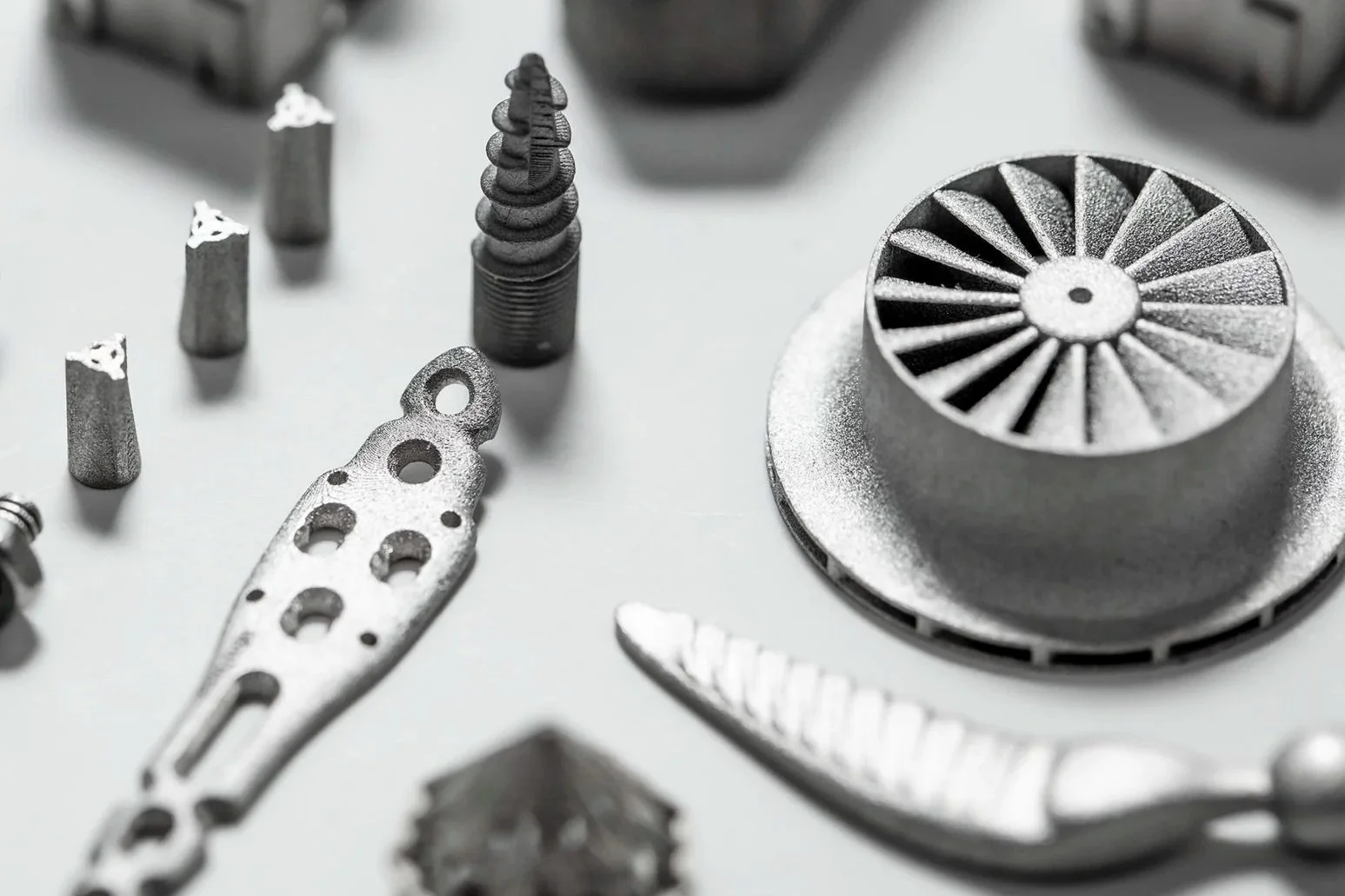
Reducing Cost per Part for Complex Micro Metal Components
Reducing cost per part in micro metal production requires more than optimizing individual manufacturing steps. As component geometries become more complex and products increasingly rely on multi-part assemblies, total cost is shaped by the entire production system, including supplier fragmentation, yield performance, secondary operations, and assembly complexity. By adopting a system-level perspective and leveraging the design freedom of additive manufacturing, manufacturers can consolidate components, simplify production workflows, reduce supplier dependencies, and achieve more stable, scalable, and cost-efficient manufacturing.
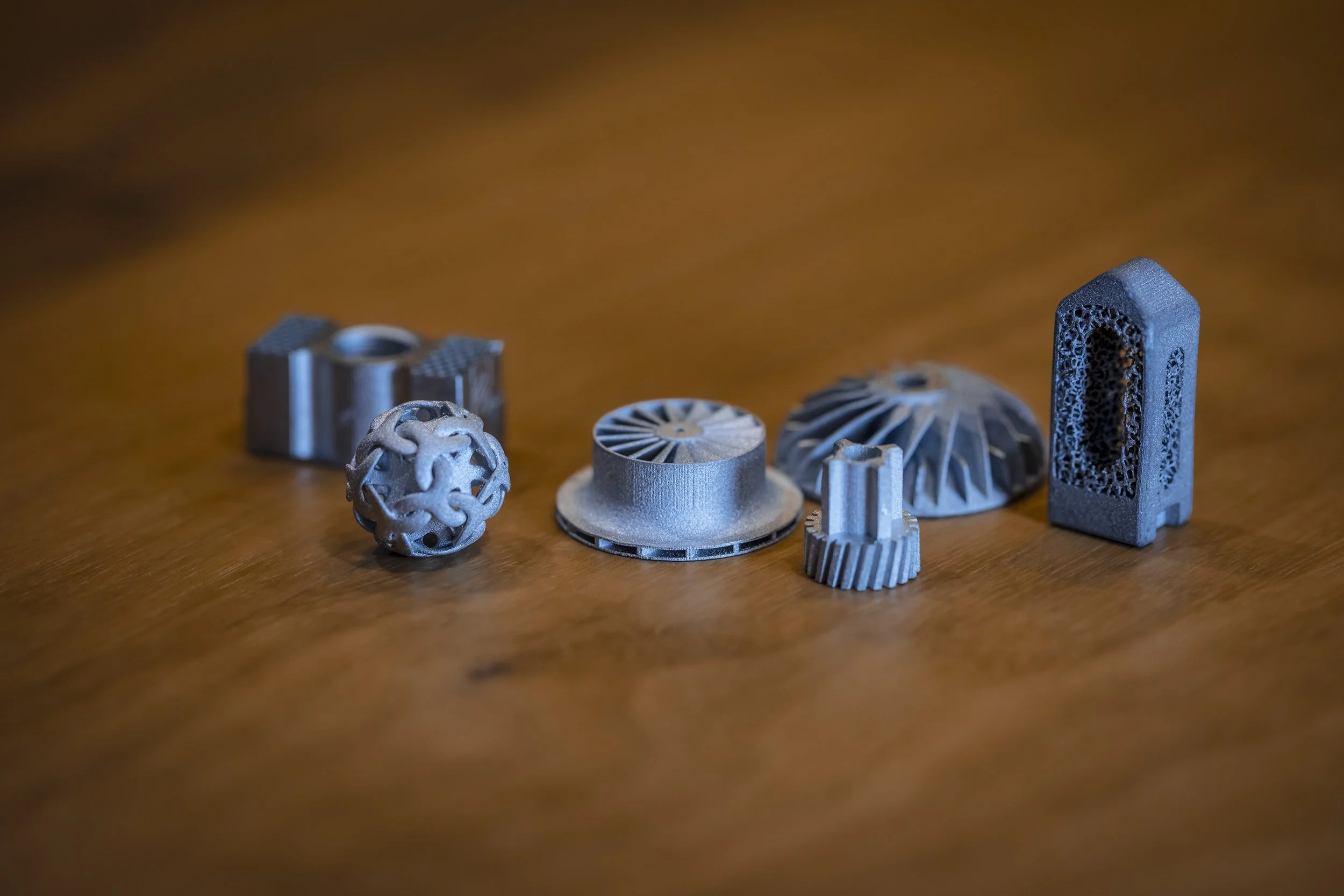
De-Risking Micro Metal Manufacturing Through Structured Validation
Changing the manufacturing method of complex micro metal components requires more than technical evaluation. It demands a structured approach that minimizes risk while ensuring consistent product performance, regulatory compliance, and supply chain stability. Structured validation provides a controlled framework for objectively assessing alternative manufacturing technologies such as sinter-based metal additive manufacturing. By evaluating dimensional accuracy, material properties, process stability, and functional performance in parallel with existing production, manufacturers can make data-driven decisions without disrupting operations. Through this approach, manufacturing optimization becomes a controlled and measurable process, transforming uncertainty into confidence while maintaining full control over quality and compliance.
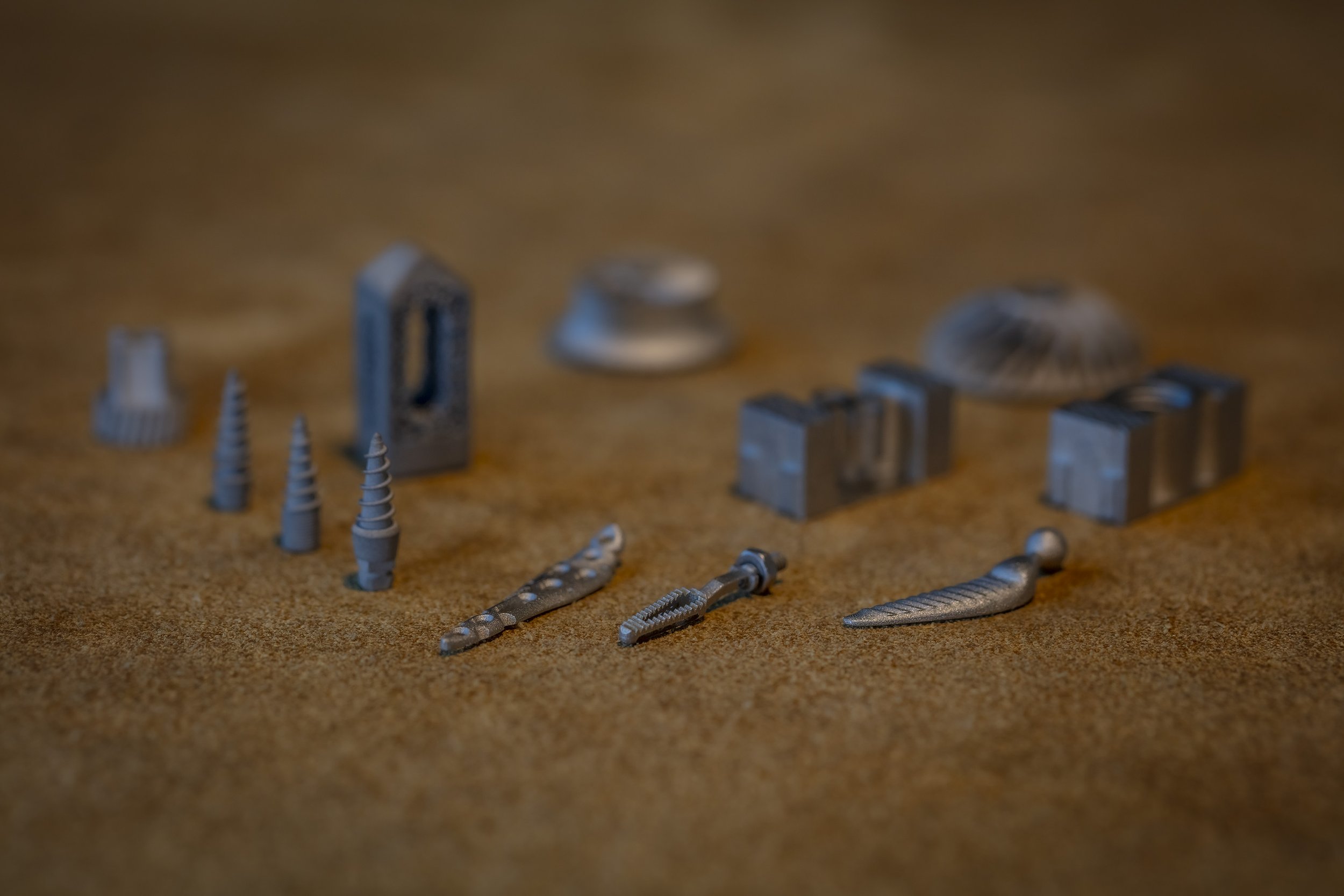
From Complexity to Control: Scalable Micro Metal Production with Metal 3D Printing
As micro metal components become more complex and highly integrated, conventional manufacturing methods often struggle with multi-step workflows, tolerance stack-up, and growing operational risk. What begins as geometric complexity quickly becomes process complexity, increasing cost, lead time, and variability. Metal 3D printing offers a fundamentally different approach. By consolidating multiple manufacturing steps into a unified digital workflow, sinter-based additive manufacturing reduces process interfaces, improves dimensional consistency, and enables scalable serial production. For high-precision micro metal parts, technologies such as Lithography-based Metal Manufacturing (LMM) combine fine feature resolution, tight tolerances, and industrial scalability, transforming complexity from a barrier into a competitive advantage.
Unlocking the 3D Printing Potential of LMM for Medical Devices
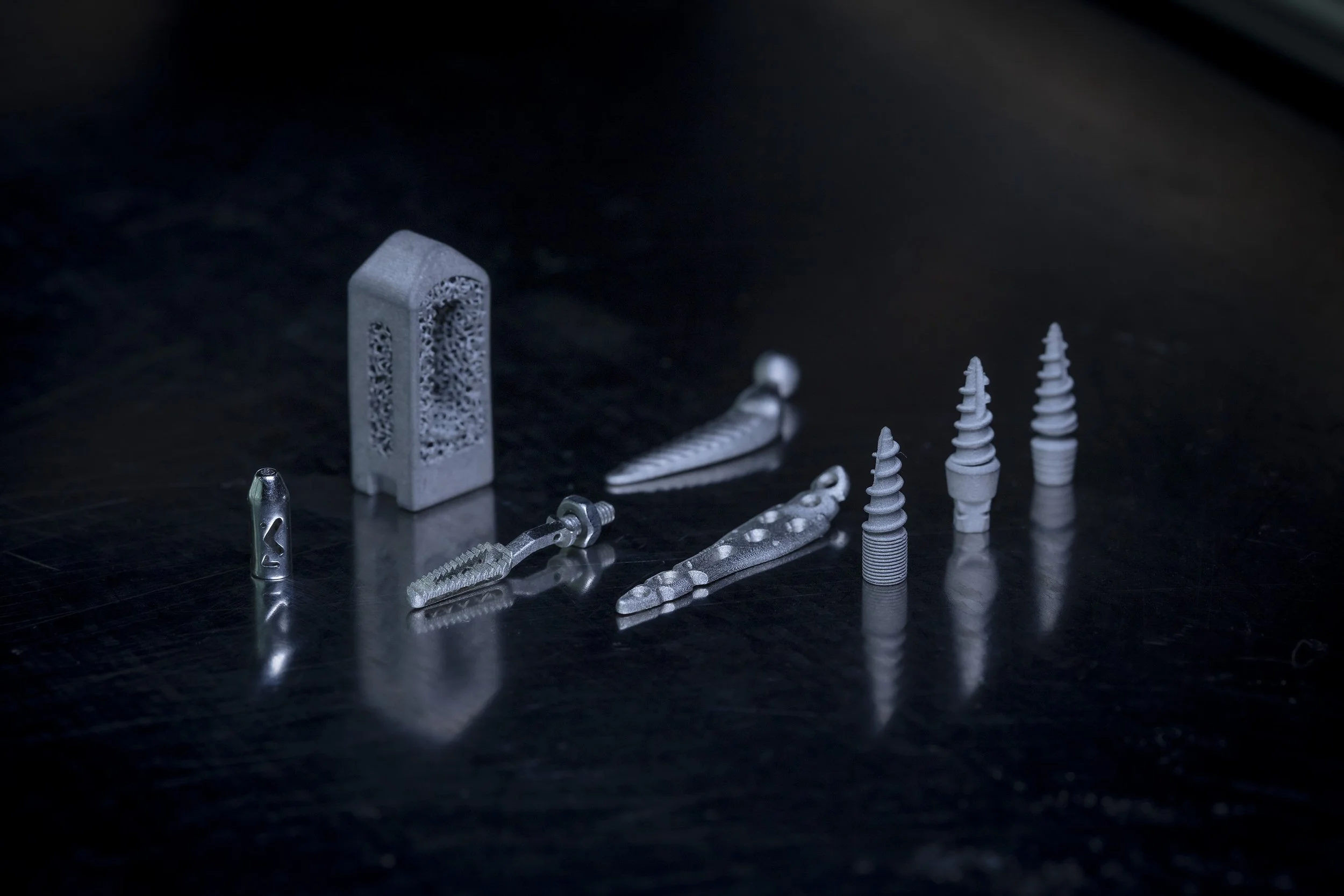
Metshape GmbH is redefining what’s possible in medical technology with Lithography-based Metal Manufacturing (LMM) — an additive process that creates ultra-fine, complex metal parts at scale. From Nitinol components for catheters to next-generation surgical tools, discover how this German company’s microfabrication expertise is attracting more global attention than ever before.

LMM Technology Produces Metallic Surgical Instruments with 3D Printing
Lithography-based Metal Manufacturing (LMM) is transforming the way high-precision metal components are produced — especially for medical and surgical applications. The technology enables the additive manufacturing of complex, miniaturized, and high-quality metal instruments, making it ideal for use in minimally invasive procedures where precision and surface finish are critical.
Titanium Grade 5 & Lithography-based Metal Manufacturing (LMM) — Key Insights
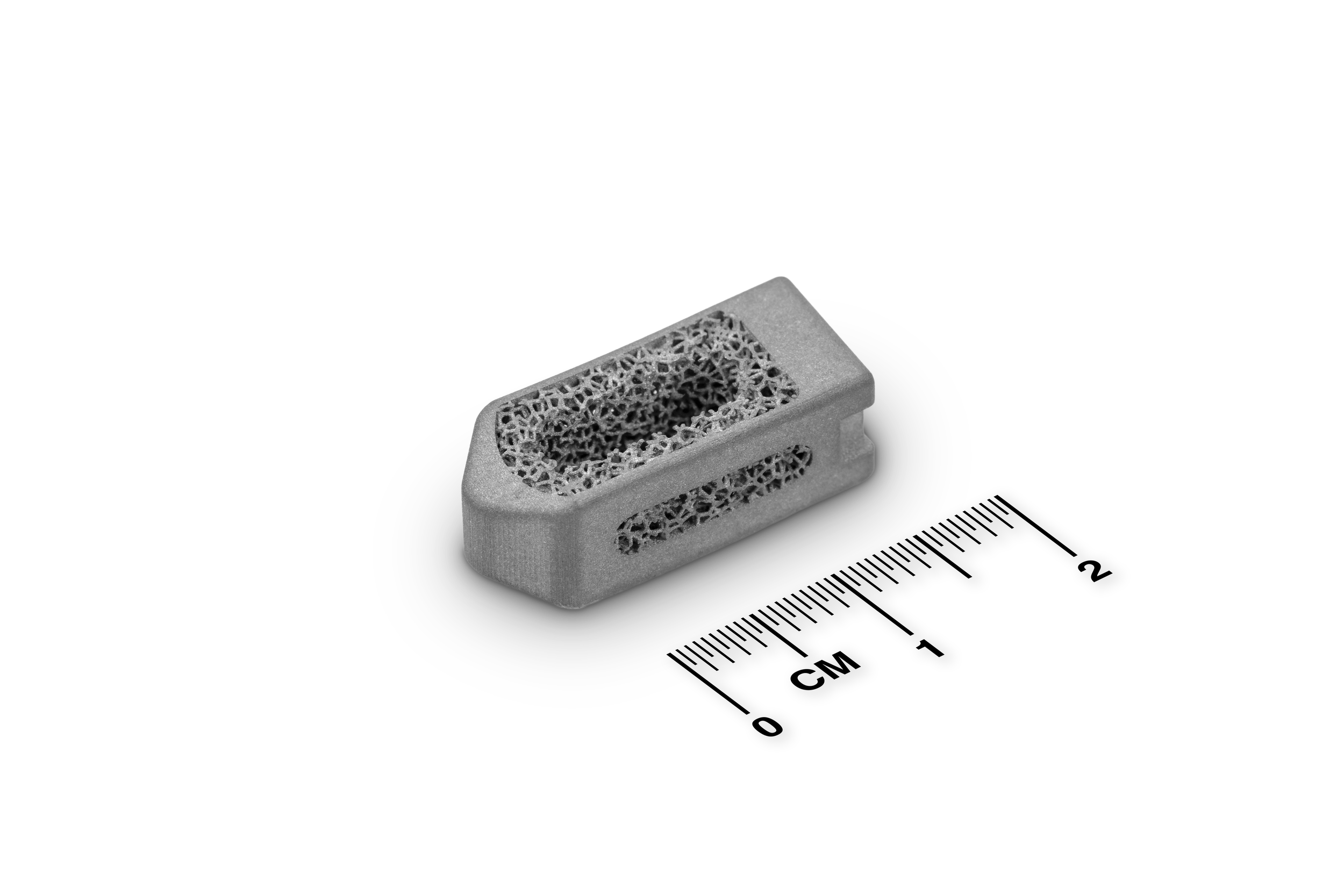
Discover how Titanium Grade 5 combined with Lithography-based Metal Manufacturing (LMM) is pushing the limits of engineering. From tiny, intricate parts to cutting-edge applications, learn why this pairing is transforming what’s possible — and see the latest developments at MetShape.

Introduction to Lithography-based metal manufacturing
Learn how Lithography-based Metal Manufacturing (LMM) combines high-resolution 3D printing with scalable powder metallurgy to enable complex, high-accuracy metal parts.

Compensating for Sintering Distortion in LMM
Discover how MetShape and ISEMP developed a simulation-based solution to predict and compensate sintering distortion in LMM, making high-volume, high-precision metal 3D printing production-ready.
3d printed micro metal parts bring innovation to space
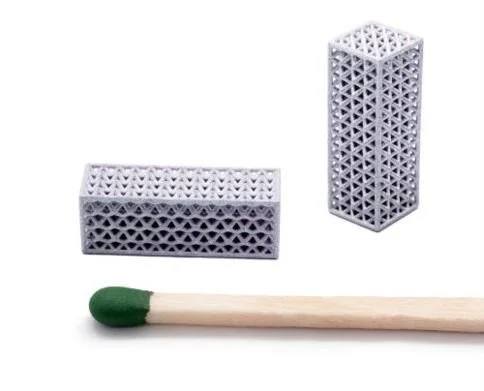
High school students are pushing the boundaries of space research with cutting-edge 3D printing. Using Lithography-based Metal Manufacturing (LMM), they turned highly complex micro lattice designs into reality for an experiment on the International Space Station — a perfect example of how additive manufacturing is unlocking new possibilities for precision metal parts.